What Is Backloading?
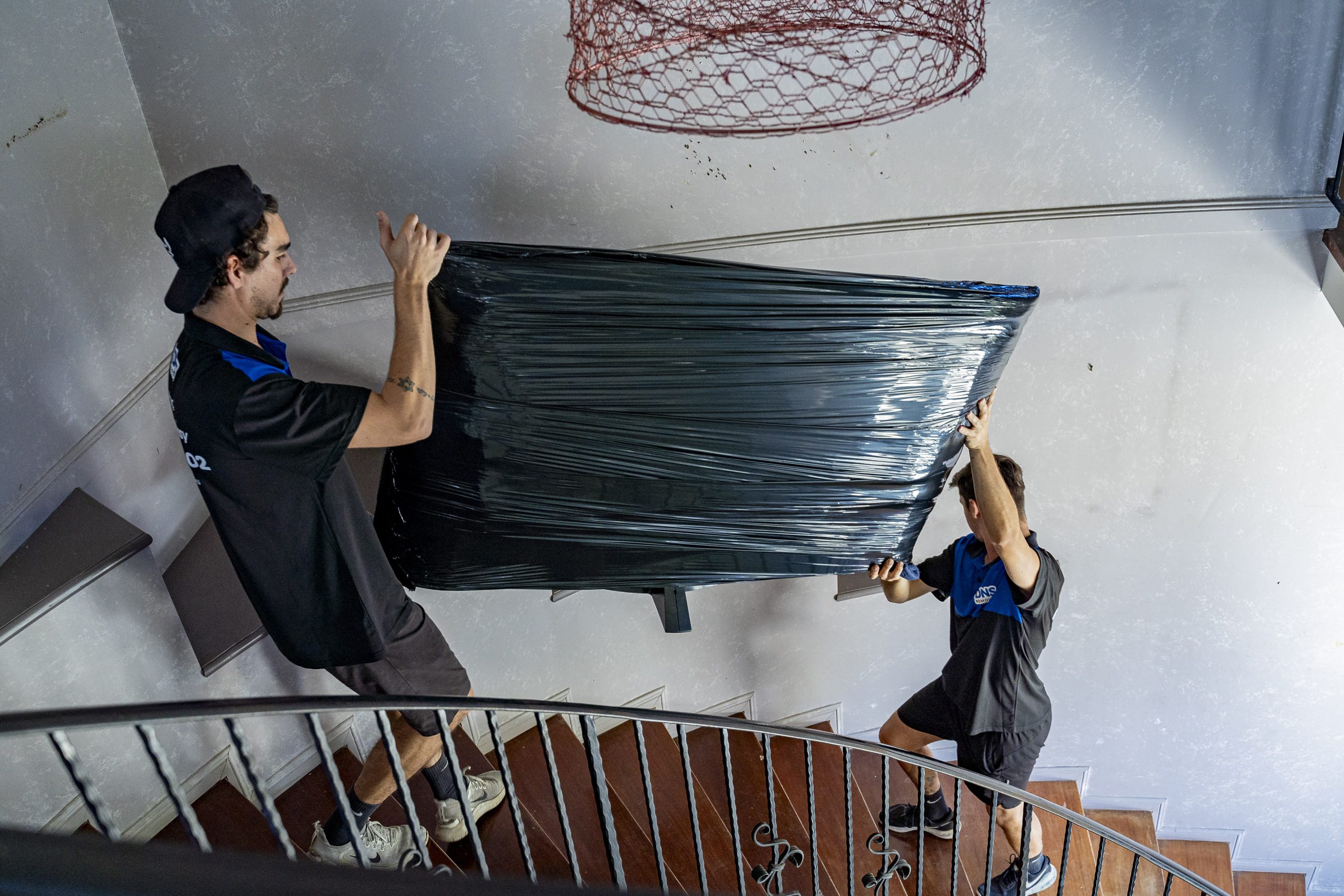
Backloading is a moving option in which your furniture shares a truck with other customers’ items headed in the same direction. Instead of booking an entire truck for your move, you pay for the space you actually use.
It’s common for interstate relocations, especially when a truck would otherwise return half empty. If a vehicle is travelling from Brisbane to Sydney, for example, and has spare capacity, your load can be added to that trip. This is common for routes handled by Brisbane to Sydney removalists, making it easier to secure affordable transport.That unused space becomes your opportunity to save. DNS Removals offers this option to make your move more affordable without compromising care.
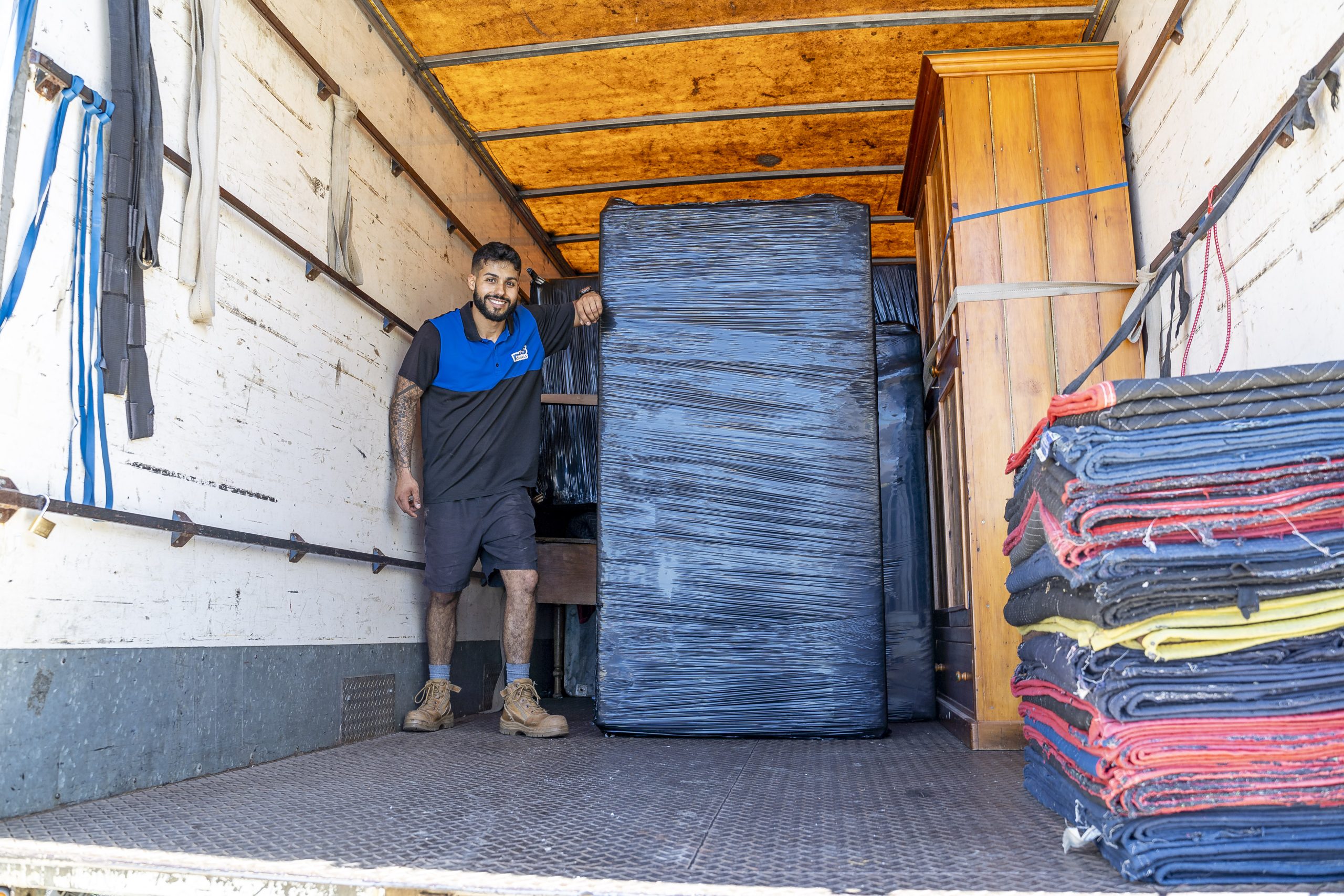
In simple terms, backloading is about filling empty truck space and lowering costs for everyone involved. It’s also considered one of the cheapest ways to move interstate, especially if you’re flexible with your moving dates.
How Backloading Works in Practice
Here’s how it usually runs:
- You request a quote and provide details about what you’re moving.
- The removalist checks existing routes and schedules.
- If your move aligns with a planned trip, your belongings are booked into the available space. This is common on popular routes such as Brisbane to Sydney removalists, where trucks frequently travel between cities and have available space for shared loads.
- Pickup and delivery windows are confirmed based on that shared schedule.
Because you’re sharing truck space, dates can be a little more flexible. You might not get a precise delivery time down to the hour. Instead, you’ll be given a realistic timeframe. For many households, that trade-off is worth the savings.
When Backloading Makes Sense
Backloading isn’t for every move. But it can be a smart choice in these situations:
- Interstate relocations such as Brisbane to Townsville removalists, especially for long-distance and flexible moves removalists in Brisbane
- Smaller household moves
- Students or renters with moderate furniture
- Flexible settlement dates
- Budget-conscious moves
If you’re not in a rush and want to reduce costs, backloading is worth considering. It suits people who can work within a delivery window rather than needing same-day service.
When It Might Not Be the Right Fit
Backloading may not suit you if:
- You need guaranteed same-day delivery
- You have strict access time limits at your new property
- You’re moving high-value items and want a dedicated truck
- Your timeline can’t shift by a day or two
In those cases, a dedicated move gives you tighter control over timing.
To be honest, the key question is flexibility. If you have it, backloading can work well. If your schedule is locked in, a private truck may be better.
How Much Can You Save with Backloading?
Cost savings vary depending on distance, load size, and timing. Because you’re sharing transport costs, the price is generally lower than booking a full truck.
For interstate moves, savings can be significant. Fuel, tolls, and driver time are major components of moving costs. When these are shared across multiple customers, the price per household drops.
If budget matters, and for most people it does, backloading offers a practical alternative without compromising care. You can also explore our guide on moving on a budget to find more ways to reduce your overall moving costs.
Is Backloading Safe for Your Furniture?
A common concern is whether sharing truck space increases risk. The short answer: it shouldn’t, provided the move is organised properly.
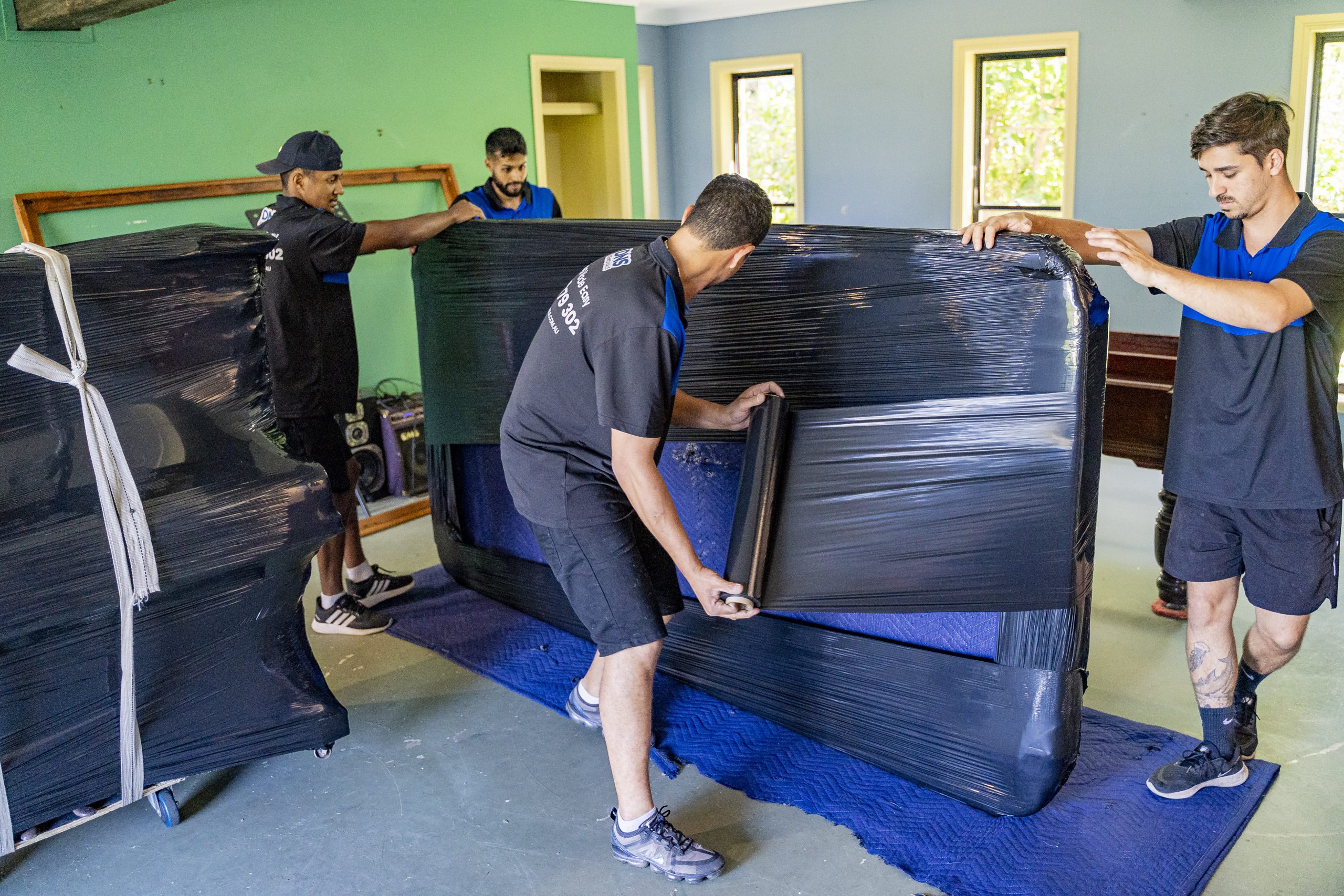
Furniture is wrapped, padded, and secured inside the truck. Loads are separated and positioned to prevent shifting during transit. Professional movers use straps, blankets, and protective materials regardless of whether it’s a backload or a full truck booking.
Your items aren’t thrown in together. They’re allocated space and secured accordingly.
If you’re considering backloading, ask how items are protected and separated. A clear answer gives you confidence.
Tips to Prepare for a Backloading Move
Because backloading works on shared schedules, preparation matters. A few practical steps make the process smoother:

Be Clear About Your Inventory
Provide an accurate list of what you’re moving. Underestimating your load can cause delays or extra charges. Overestimating can affect scheduling. Take the time to list large items and box estimates properly.
Stay Flexible with Dates
If you can allow a pickup or delivery window of a few days, you’ll increase your chances of securing a good rate.
Label Everything Clearly
This helps keep your belongings organised when sharing space with other loads. Clear labelling reduces confusion at delivery.
Pack Smart
Use sturdy boxes. Avoid overpacking. Wrap fragile items carefully. Even with professional handling, good packing reduces risk.
Confirm Access Details
Let your movers know about stairs, lifts, narrow driveways, or loading restrictions. Surprises slow everyone down, especially when schedules are shared.
Backloading vs Dedicated Truck: What’s the Difference?
Here’s a straightforward comparison:
Backloading
- Shared truck space
- Lower cost
- Flexible timing
- Best for interstate or mid-size moves
Dedicated Truck
- Entire truck for your move
- Higher cost
- Set schedule
- Ideal for tight deadlines or large homes
Neither option is better across the board. It depends on your priorities: price or precision timing.






![How Much Do Removalists Cost in Brisbane? [2025 Pricing Guide]](https://dnsremovals.com.au/wp-content/uploads/2024/11/DSN-Removals-20-scaled.jpg "How Much Do Removalists Cost in Brisbane? [2025 Pricing Guide]")