Moving Furniture During Bad Weather: A Practical Guide
Moving to a new home is always exciting, but when bad weather strikes, rain, wind, storms, or extreme temperatures, it can make the experience more challenging and stressful. Just like pets and people can feel unsettled by change, furniture and belongings need extra care to avoid damage and delays. Understanding how to prepare your furniture for harsh weather conditions is essential to ensure a smooth, safe move from start to finish.

Why Weather Matters for Your Move
Bad weather complicates your relocation. Wet conditions can damage wooden furniture and fabrics, strong winds can make carrying bulky items unsafe, and slippery surfaces increase the risk of accidents. Taking proactive steps to protect your belongings helps reduce stress and keeps your move on track, no matter what the weather throws at you.
1. Monitor Weather Forecasts Early
Start watching weather forecasts in the days leading up to your move. If storms or heavy rain are predicted, it’s worth planning extra time around your schedule to prepare and respond accordingly.

Having a clear picture of what to expect helps you:
- Adapt your moving timeline
- Arrange protective covers and tarps in advance.
- Prepare safe walkways and shelter for loading/unloading.
- Notify your moving team of potential delays.
2. Protect Furniture with the Right Materials
Keeping your furniture dry and safe during nasty weather is critical. Invest in quality supplies that offer real protection against rain and moisture:
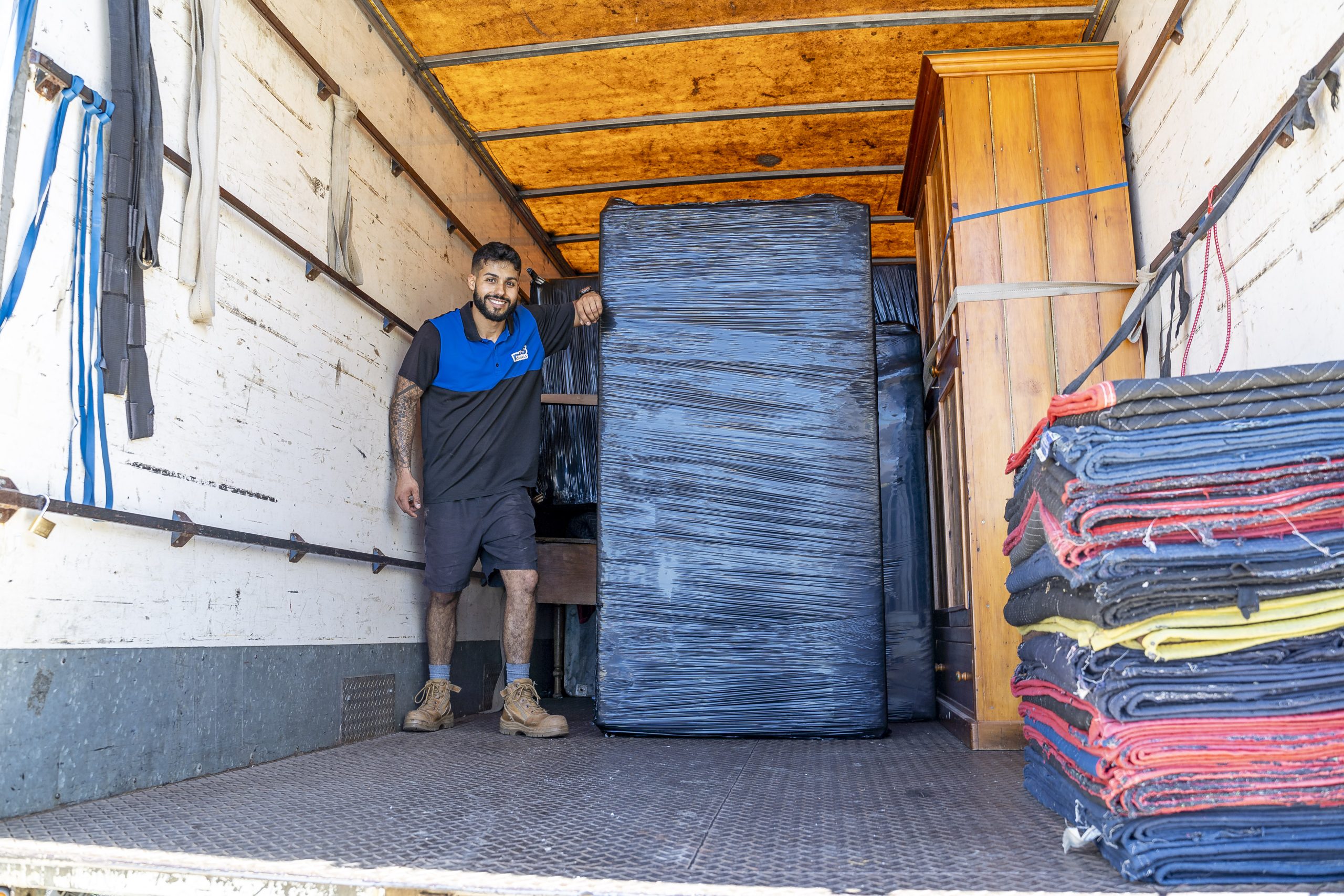
- Waterproof tarps or moving blankets to wrap large items
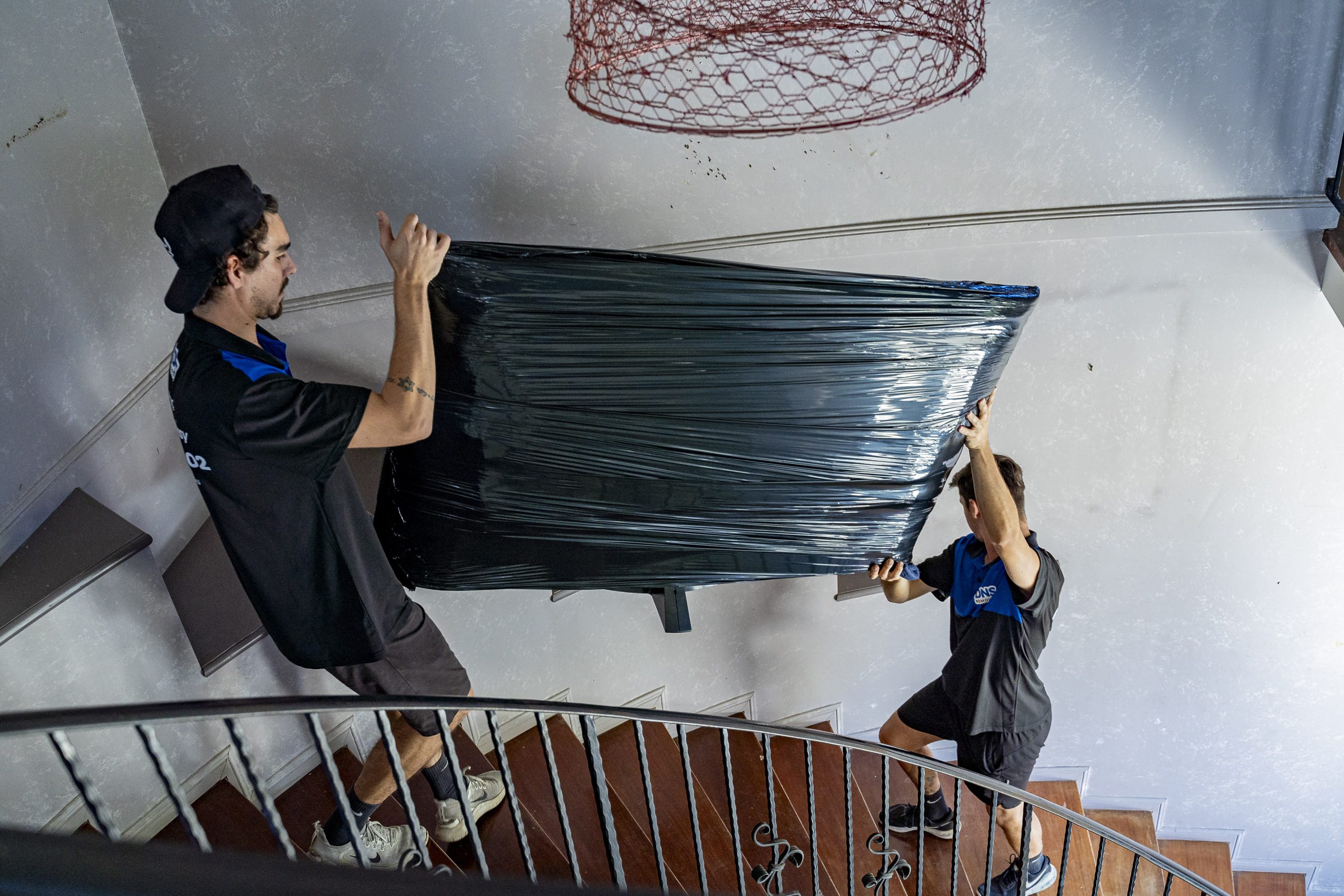
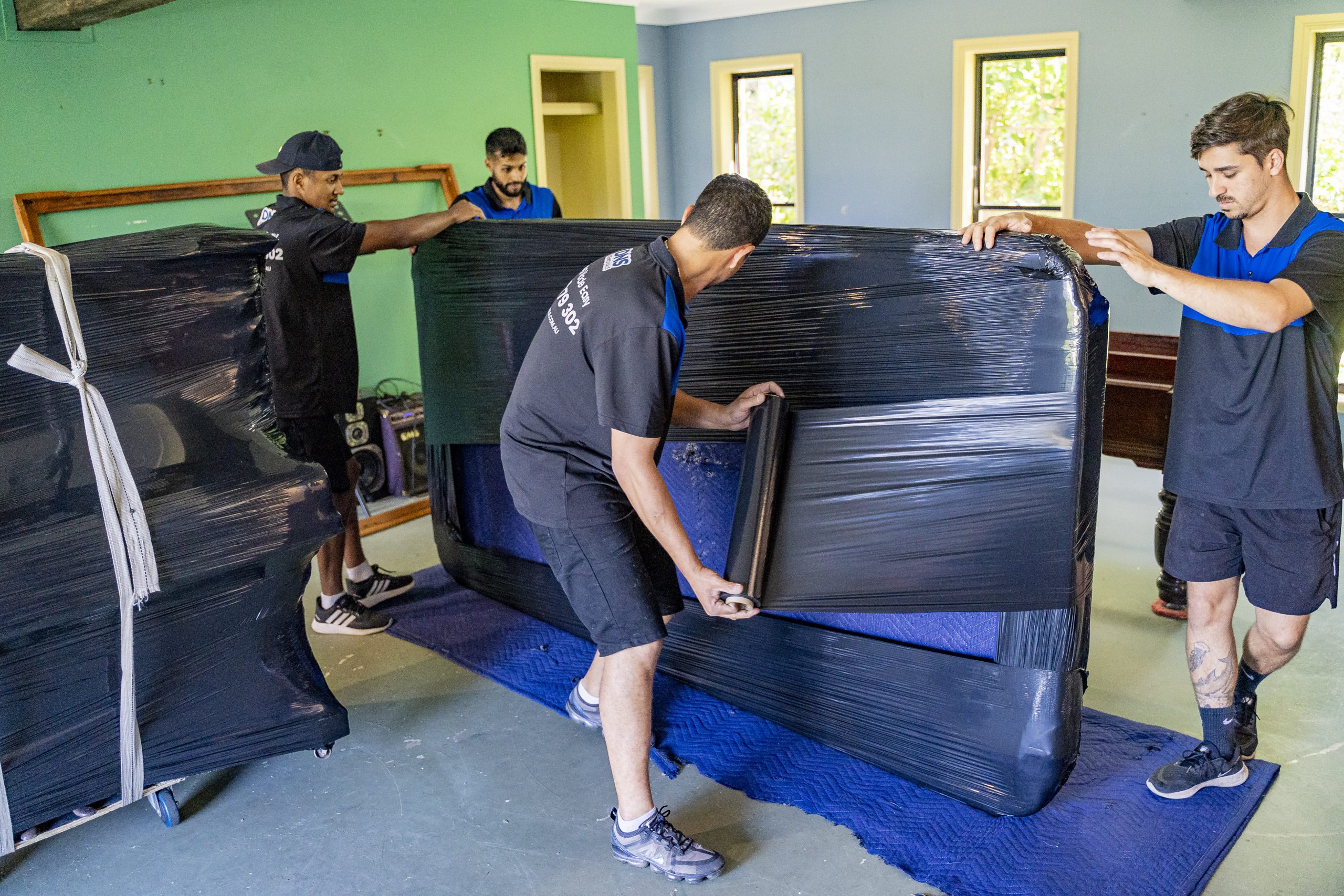
- Plastic wrap/shrink wrap to shield upholstered or sensitive pieces
- Cardboard corner guards to protect edges
- Moving pads to cushion and prevent scratches
Simply stacking furniture into a truck isn’t enough in wet conditions; covering each piece helps ensure it doesn’t get wet or scratched during transport.
3. Disassemble Bulky Items First
Large tables, shelving units, and bed frames are easier to move when taken apart. Disassembling furniture before moving day offers several advantages:
- Faster loading/unloading
- Less surface is exposed to the weather.
- Easier to organise in protective wrapping and during transport
Keep screws and small parts in labelled bags to make assembly easier at the new home.
4. Create Protected Pathways
Pack a supply of tarps, plastic sheets, or even large umbrellas to create a dry corridor between the house and the moving vehicle. This is especially useful in heavy rain or damp ground.
It keeps:
- Water from entering doorways
- Floors protected from mud and moisture
- Walkways are safer for movers and helpers
5. Load and Unload Strategically
When dealing with wind or rain:
- Load quickly but carefully to reduce exposure
- Cover furniture last before it goes into the truck
- Unload into protected areas inside the destination home
Doing things in the right order helps reduce damage and ensures items stay dry and secure throughout the process.
6. Safety Should Always Come First
Bad weather increases the risk of slips, trips, and muscle strain, so always prioritise safety over speed. Wear non-slip shoes, use gloves for grip, and communicate clearly with helpers or your removal team.
7. Consider Professional Help
Experienced removalists know exactly how to handle moves in bad weather. They bring the right gear, techniques, and manpower to protect your belongings, keep everyone safe, and make your move efficient, even when conditions are less than ideal.
Conclusion
Moving furniture during bad weather doesn’t have to be a disaster. With the right preparation, protective materials, and thoughtful planning, you can safeguard your belongings and make your relocation as smooth as possible. Rain, wind, or shine, a well-executed move still leads to a fresh start in your new home.





![How Much Do Removalists Cost in Brisbane? [2025 Pricing Guide]](https://dnsremovals.com.au/wp-content/uploads/2024/11/DSN-Removals-20-scaled.jpg "How Much Do Removalists Cost in Brisbane? [2025 Pricing Guide]")