
Brisbane Housing Costs: Renting vs Buying
Housing will take the biggest share of your budget. Brisbane is still more affordable than Sydney and Melbourne, but prices have risen over the past few years.
Renting is common among people relocating for work or lifestyle reasons. Buying makes sense if you’re planning to stay long term. The choice often comes down to how stable your income is and how long you plan to stay in Queensland.
If you’re moving from interstate, renting first gives you breathing room to explore suburbs before committing to a mortgage. To be honest, many families prefer this approach.

Average Rent by Suburb and Property Type
Weekly rent depends on location and property size. Inner-city apartments cost more than homes further out, but they can save you commuting time.
As a rough guide:
- One-bedroom apartment (inner Brisbane): higher weekly rent
- Three-bedroom house (middle-ring suburb): mid-range
- Outer suburbs: more affordable, especially for larger homes
Areas close to schools, train lines and shopping centres often sit at the higher end of the market. Always check current listings before setting your budget. Rental markets shift quickly.
If you’re relocating for work, factor in travel time as well as rent. A slightly higher rent near public transport can reduce fuel and parking costs.

House Prices Across Greater Brisbane
Buying prices vary widely across Greater Brisbane. Entry-level homes are usually in outer suburbs, while riverside or inner areas command premium prices.
Many buyers look at:
- Loan repayments based on current interest rates
- Stamp duty
- Building and pest inspections
- Ongoing council rates
If you’re upgrading from interstate, Brisbane may still feel good value compared to southern capitals. Just remember to account for moving costs, your deposit, and legal fees.
Utilities and Internet: What You’ll Pay Each Month
Electricity, water and gas bills depend on usage and property size. Larger homes with air conditioning will push electricity higher, especially in summer.
Typical household expenses include:
- Electricity
- Water (often included in rent, but not always)
- Gas (if applicable)
- Internet
Brisbane summers mean air conditioners run often. Budget accordingly. Comparing providers before you move can save you money on your monthly bills.
Grocery Costs for Singles, Couples and Families
Grocery prices in Brisbane are similar to those in other major Australian cities. Your weekly spend depends on household size and eating habits.
A single person can expect to spend a moderate amount on groceries each week. Families will naturally spend more, particularly with teenagers in the house. You know how it goes, the fridge fills up and empties in the same afternoon.
Shopping at larger supermarkets, buying seasonal produce and planning meals ahead of time help control costs.
Getting Around: Public Transport, Fuel and Parking
Brisbane offers buses, trains and ferries. Many residents still rely on cars, especially in the outer suburbs.
Monthly transport costs may include:
- Go Card public transport fares
- Fuel
- Car registration
- Insurance
- Parking
Living close to a train line can reduce fuel costs. If you’re working in the CBD, parking fees add up quickly, so weigh that against rent prices in different areas.
School Fees and Childcare Expenses
If you have children, schooling will influence your choice of suburb and your budget.
Public schools are government-funded, though you’ll still pay for uniforms, excursions and supplies. Private and independent schools charge annual tuition fees, which vary significantly.
Childcare is another major expense for young families. Fees depend on the centre and the number of days your child attends per week. Government subsidies can reduce out-of-pocket costs if you’re eligible.
Healthcare Costs and Private Insurance
Australia’s Medicare system covers many basic medical services. However, some residents choose private health insurance for additional cover and shorter wait times.
Healthcare costs may include:
- GP gap fees
- Specialist appointments
- Dental care
- Private health insurance premiums
If you’re moving from overseas, check your visa conditions and health cover requirements before arriving.
Dining Out, Coffee and Weekend Spending
Brisbane has plenty of dining options, from casual cafés to riverfront restaurants. Eating out regularly will increase your weekly spend, so plan accordingly.
A casual meal is reasonably priced compared to Sydney. Coffee prices are similar across most suburbs.
Entertainment costs might include:
- Gym memberships
- Streaming services
- Cinema tickets
- Sporting events
Set a realistic allowance. Cutting back on takeaway even once a week can free up room in your budget.
Comparing Brisbane’s Cost of Living with Sydney and Melbourne
Brisbane remains more affordable overall, particularly for housing. Rent and property prices are generally lower than in Sydney and often lower than in Melbourne as well.
Utilities and groceries are fairly consistent across major cities. The real savings usually come from housing.
If you’re relocating from a higher-priced city, your money may stretch further here. That said, always run your own numbers based on your lifestyle.
Hidden Costs to Plan for Before You Move
People often focus on rent or mortgage repayments and forget the smaller items.
Allow room in your budget for:
- Bond and advance rent
- Connection fees for electricity and internet
- Removalist services
- Packing materials
- Cleaning costs
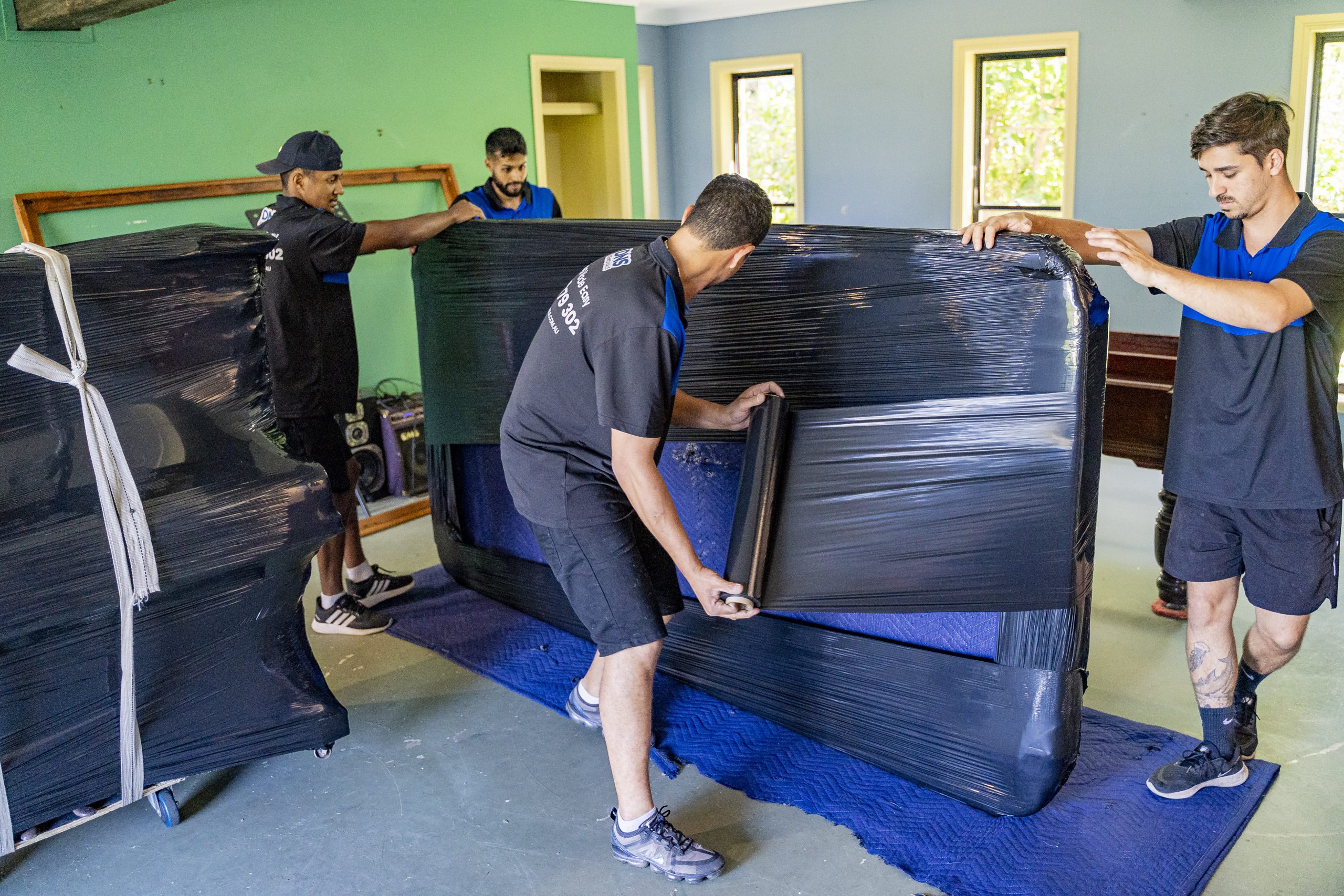
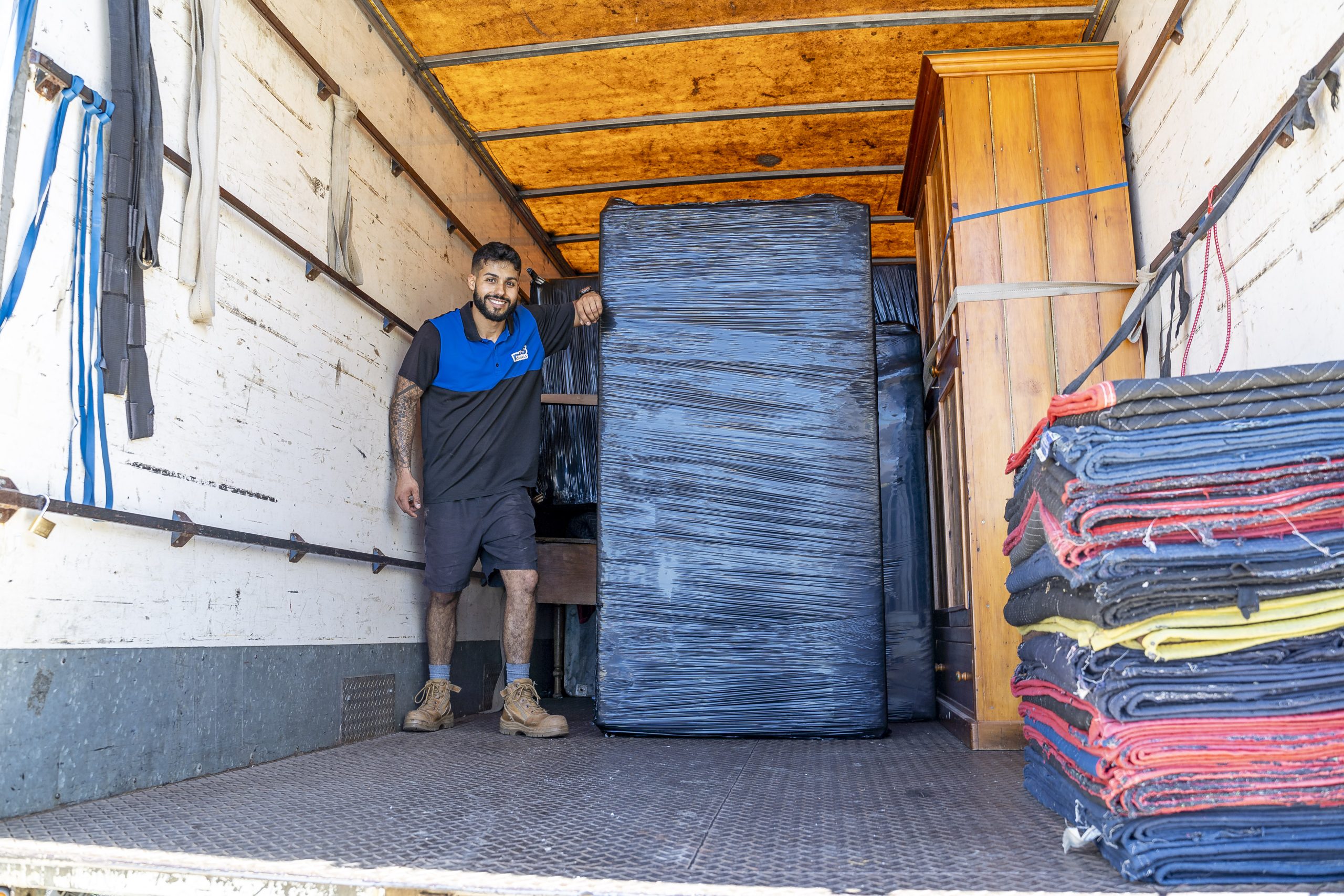
Booking professional movers helps you avoid last-minute surprises. It also reduces the risk of damaged furniture, which can cost more in the long run.
How to Budget for Your Move to Brisbane
Start with a simple breakdown:
- Housing
- Utilities
- Food
- Transport
- Schooling or childcare
- Insurance
- Lifestyle spending
Then add your moving costs. Getting a clear quote early helps you plan properly.
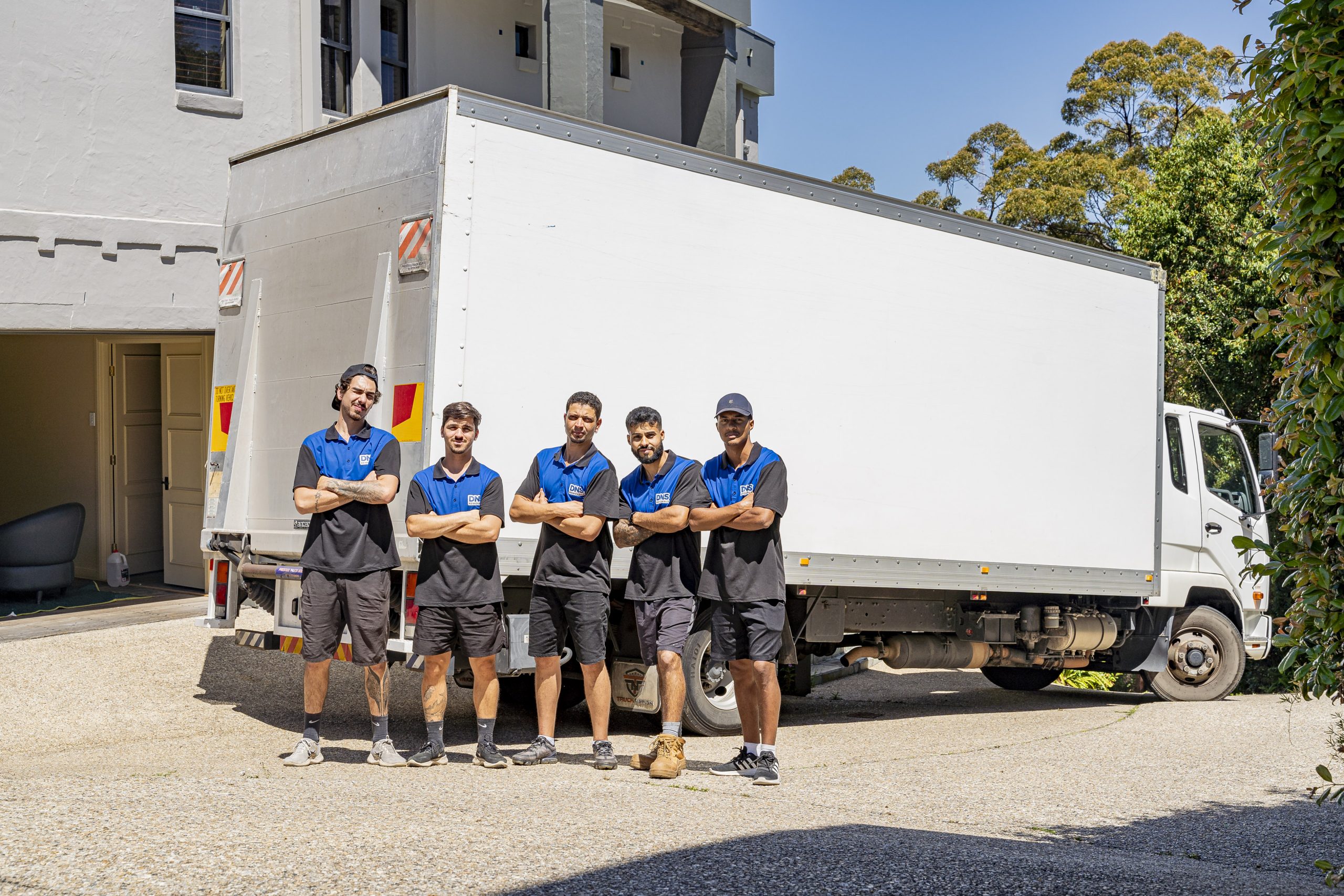
Working with an experienced removalist makes the transition smoother. You get clear pricing, organised transport and support on moving day. That way, you can focus on settling into your new place instead of chasing boxes.
If Brisbane is your next step, planning ahead will make the shift far easier than guessing your expenses as you go.





![How Much Do Removalists Cost in Brisbane? [2025 Pricing Guide]](https://dnsremovals.com.au/wp-content/uploads/2024/11/DSN-Removals-20-scaled.jpg "How Much Do Removalists Cost in Brisbane? [2025 Pricing Guide]")