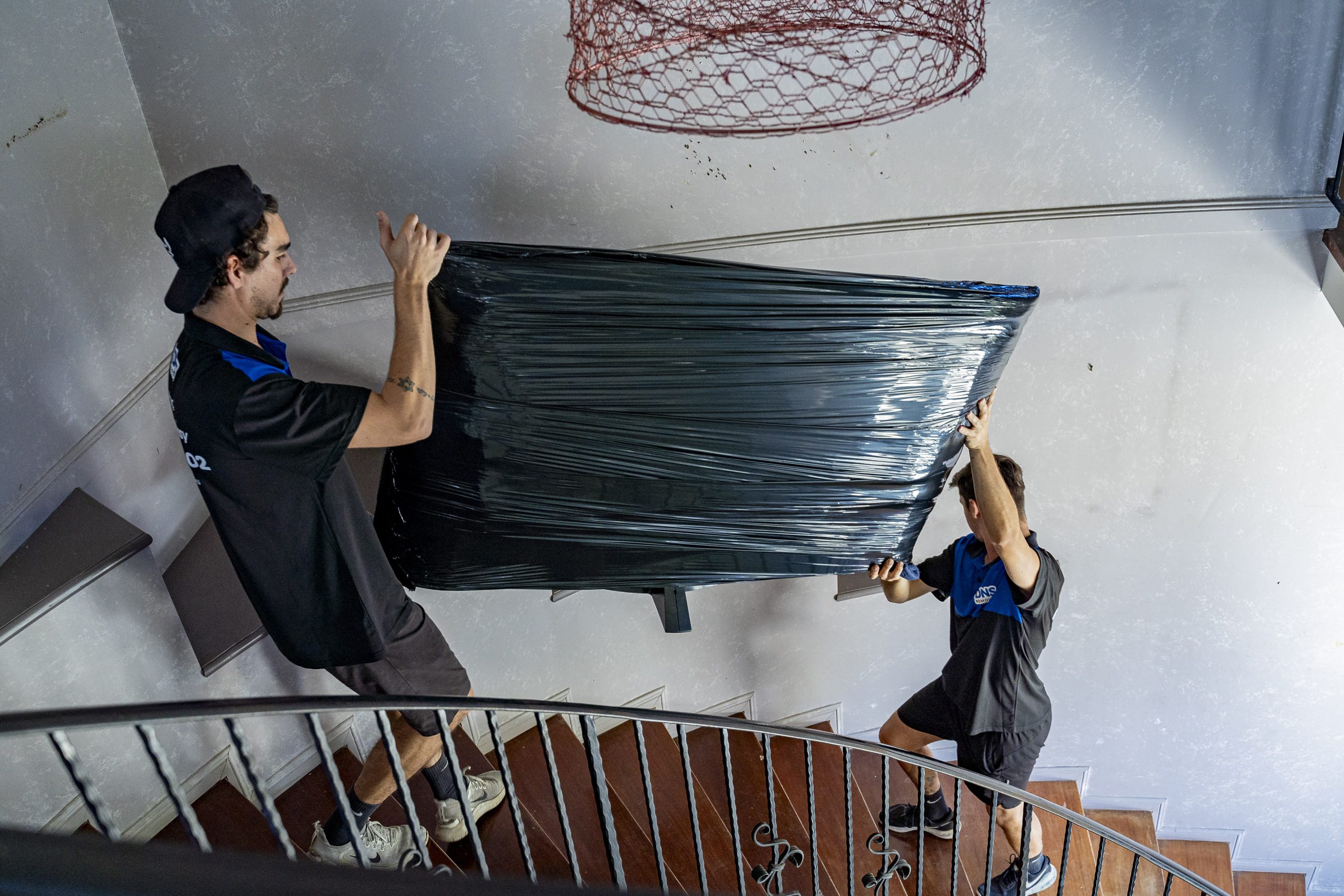
Preparing attics, basements and garages for a move can be more challenging than packing ordinary household rooms. These areas often hold bulky equipment, forgotten belongings and sentimental items that require careful handling. With the right approach, you can turn a cluttered storage space into a well-organised and easy-to-move collection of packed goods.

At DNS Removals, we regularly help Brisbane families and homeowners clear out these tricky spaces. Our experience has shown that a structured plan and proper packing techniques make a huge difference to safety, efficiency, and overall moving-day success. The following guide offers practical, trustworthy tips to help you confidently prepare these areas.
Understanding the Unique Challenges of Attics, Basements and Garages
Attics, basements and garages tend to gather items that are rarely handled, which means dust, cobwebs and awkward access are common. Many of these belongings are oversized or heavy, such as power tools, boxes of old paperwork, sports equipment and seasonal decorations. Some items may even be hazardous or temperature-sensitive, including paints, solvents, and electronics.
These spaces often have narrow ladders, steep stairs or low ceilings, which can complicate safe lifting. Working slowly, assessing each item carefully and using proper lighting reduces risk. Professional movers like DNS Removals rely on trained techniques and specific equipment to address these challenges, but homeowners can still prepare effectively by breaking the work into manageable stages.
Start with Sorting and Clear Decision-Making
The most critical first step is sorting. Begin by deciding what to keep, donate, recycle or dispose of responsibly. Many homeowners find items stored in these spaces have not been used for years, so this is the ideal moment to minimise what you take to your new home. Sort items into clear groups placed near the entry of the space. This allows you to see quantities and avoid unnecessary lifting up and down ladders or stairs.
Be honest about the condition and usefulness of older items. Rusted tools, broken sports gear and outdated electronics often cost more to move than to replace. DNS Removals frequently advises customers to reduce excess load before moving day, which helps create a smoother and more cost-effective relocation.
Prepare and Clean Items Before Packing
Once you have selected what you will keep, clean each item to avoid carrying dirt or dust into your new home, wipe down surfaces, remove cobwebs and check for moisture or mould. Basements, in particular, can accumulate dampness, so look for signs of damage on stored items such as books, clothing, or cardboard boxes.
Clean tools, bicycles and outdoor equipment to prevent grease or soil from transferring into boxes. For metal items, a quick spray of lubricant can reduce the chance of rust during storage or transport. This preparation step improves hygiene and protects your belongings during stacking and movement.
Use the Right Boxes and Packing Materials
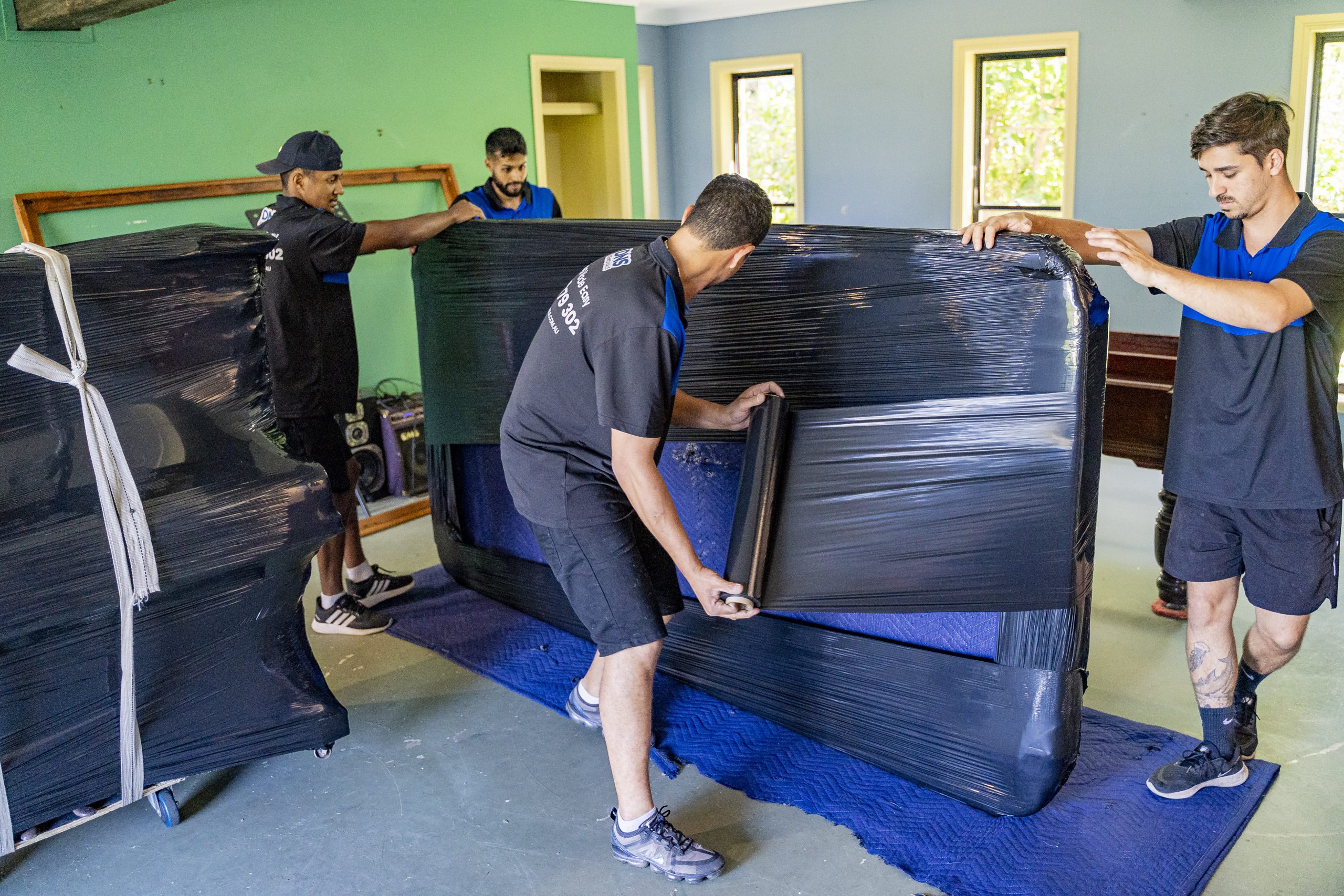
Choosing the correct packing materials ensures fragile and heavy items remain protected. Sturdy, double-walled boxes work best for tools, hardware, decorations and old records. For cumbersome tools, smaller boxes prevent overloading and allow safe lifting. Wrap delicate items in soft packing paper or bubble wrap, and fill any space in the box with scrunched paper to prevent movement.
Plastic tubs are suitable for storing items in garages and basements because they protect against dust and moisture. Seasonal decorations, childhood memorabilia and long-term storage goods benefit especially from these sealed containers. Clearly label all containers with their contents and intended room to make unpacking easier at your new home.
Handling Bulky, Heavy and Awkward Items Safely
Garages often contain the heaviest household items aside from large furniture. Lawn mowers, garden tools, car parts, bicycles and sports equipment require specific care. Drain fuel from lawn mowers and other petrol equipment before moving. Secure sharp edges or blades on gardening tools with padding or cloth. Tie the bicycle wheels and handlebars to prevent movement.
Attics may hold long or awkward items such as artwork tubes, old furniture parts or timber pieces. Carry these items down slowly and with two people whenever possible. DNS Removals crews use protective blankets and correct lifting posture to prevent damage or injury. Homeowners can adopt similar habits, never rush, keep pathways clear and grip items securely.
Packing Fragile and Sentimental Belongings
Many families use their attics as long-term storage for sentimental belongings, such as photo albums, keepsake boxes, children’s drawings, or holiday decorations. These items benefit from extra care. Use acid-free paper for photographs and wrap fragile decorations individually. Place heavy sentimental items at the bottom of boxes and lighter items on top to avoid crushing.

Basements may contain older electronics or delicate instruments. Wrap cords separately, cover screens with padding and use labelled boxes for easy identification. Avoid storing fragile items near the bottom of piles when preparing for loading.
Managing Hazardous or Restricted Items
Garages often hold items that cannot be transported in a removalist truck, such as gas bottles, open paint tins, flammable solvents, oils and certain chemicals. Check all products and dispose of any restricted items safely before your moving date. Local Brisbane waste centres accept many of these materials, which helps ensure compliance with safety regulations.
For anything that can be transported, ensure lids are sealed tightly. Place smaller containers in leak-proof plastic bags before boxing them. DNS Removals guides customers on what can and cannot be moved, helping them avoid delays or last-minute complications.
Organising and Labelling Packed Boxes
Good organisation dramatically reduces stress on moving day. As you pack, group items by category, tools together, sporting equipment together, keepsakes together. Label each box with precise wording on the top and side so movers can identify them even when stacked. Include notes such as “fragile”, “heavy”, “basement tools” or “store in garage” to guide safe handling.
Keep a simple written list of what you have packed and where it is stored. This is especially helpful for attics and basements, where forgotten items are standard. A short inventory ensures you know precisely what is being transported and prevents belongings from being misplaced.
Preparing the Space for Moving Day
Once everything is packed, prepare attics, basements and garages for safe access. Sweep floors, remove obstacles and ensure adequate lighting. Clear the route from these spaces to the main exit of your home. This allows removalists to work efficiently without having to navigate hazards.
If access is tight, measure large items to ensure they fit through stairwells or doorways. DNS Removals regularly assists customers with these assessments and uses specialised equipment when required. Preparing the space in advance helps protect both your belongings and your home.
Conclusion
Packing attics, basements, and garages takes time and care, but with proper preparation, it becomes a safe and manageable part of your move. If you need professional support transporting heavy, awkward or sentimental items, the team at DNS Removals is always ready to help. Reach out for friendly advice or a tailored moving quote.





![How Much Do Removalists Cost in Brisbane? [2025 Pricing Guide]](https://dnsremovals.com.au/wp-content/uploads/2024/11/DSN-Removals-20-scaled.jpg "How Much Do Removalists Cost in Brisbane? [2025 Pricing Guide]")