Storing your belongings for weeks, months, or even years takes more than simply placing everything in a unit and locking the door. Proper preparation and ongoing care make a significant difference in how well your belongings hold up over time.
At DNS Removals, we regularly assist Brisbane families and businesses with moves that include short-term storage between properties or longer-term solutions during renovations or interstate relocations. Over the years, we have seen how careful packing, thoughtful organisation and climate-aware choices can preserve the condition of stored goods and avoid unnecessary damage.
Understanding the Conditions Your Goods Will Face
Storage environments in Brisbane can be warm and humid, especially during summer storms. Moisture, heat and dust are the main culprits that affect stored items, leading to mould, warping and deterioration. Understanding these risks helps you pack and organise your belongings correctly.
Many customers assume all storage units are identical, but airflow, temperature and cleanliness differ between facilities. Before placing anything inside, it is sensible to inspect the unit, check for signs of dampness and ask the facility about pest control schedules. By knowing the conditions upfront, you can choose the right packing materials and storage strategy to keep your goods protected.
Choosing the Right Packing Approach for Long-Term Success
Packing for storage requires a slightly different mindset compared to packing for a standard move. Items may sit untouched for extended periods, so they need sturdier, sealed protection. Using high-quality boxes, acid-free tissue paper, breathable covers and moisture-resistant containers can extend the life of delicate goods.

Fragile items such as glassware or electronics should be wrapped individually and placed in well-supported boxes. Furniture benefits from breathable fabric covers rather than plastic, which can trap heat and moisture. We have seen many cases where a small investment in proper wrapping saves costly repairs later, especially when storing timber or leather pieces.
Managing Moisture, Mould and Pests
Moisture is one of the biggest threats to stored belongings in Queensland’s climate. Simple measures such as placing moisture absorbers in the unit, elevating boxes off the floor and ensuring furniture is fully dry before storage can prevent mould growth.
Pest prevention is equally important. Storing clean items significantly reduces the attraction for insects and rodents. If you are storing garden tools, barbecues or camping gear, it helps to brush off soil and food residue beforehand. Most reputable facilities run regular pest control programs, but your own preparation is equally important to protect fabrics, paperwork and soft furnishings.
Organising the Unit for Accessibility and Preservation
Good organisation prevents accidental damage and helps maintain airflow around your items. Heavy boxes can be used at the base to create stable stacks, while lighter or fragile goods should be placed at the top. Keeping aisles or gaps between stacks improves ventilation and allows you to access items without shifting everything around.
Storing items in a planned layout reduces the chance of crushing delicate pieces. For example, placing mattresses upright against a wall improves airflow and prevents long-term pressure dents. We often guide customers through mapping out their unit to ensure the layout supports both accessibility and protection.
Protecting Specific Categories of Goods
Different items require tailored care. Timber furniture reacts to humidity changes, so it is best to polish it before storage to create a protective barrier. Leather benefits from conditioning to prevent cracking. Clothing and linen last longer in vacuum-sealed bags or clearly labelled containers.
Paperwork, artwork and photographs need to be stored in acid-free folders or rigid portfolios to avoid yellowing and bending. Electronics should be packed with their cords and accessories in dry, well-insulated boxes, ideally with silica gel packets inside. By pairing each item with the appropriate packing method, you can significantly extend its lifespan.
Creating a Long-Term Maintenance Routine
Long-term storage benefits from occasional check-ins. Visiting the unit every few months allows you to inspect for early signs of moisture, mould or pests. A quick reorganisation or the addition of fresh moisture absorbers helps maintain ideal conditions.
For customers storing belongings between homes or during extended travel, we often recommend setting reminders to check items or having a trusted person visit the unit. A simple maintenance routine prevents problems that may otherwise go unnoticed for months.
Working with Professional Removalists for Safe Handling
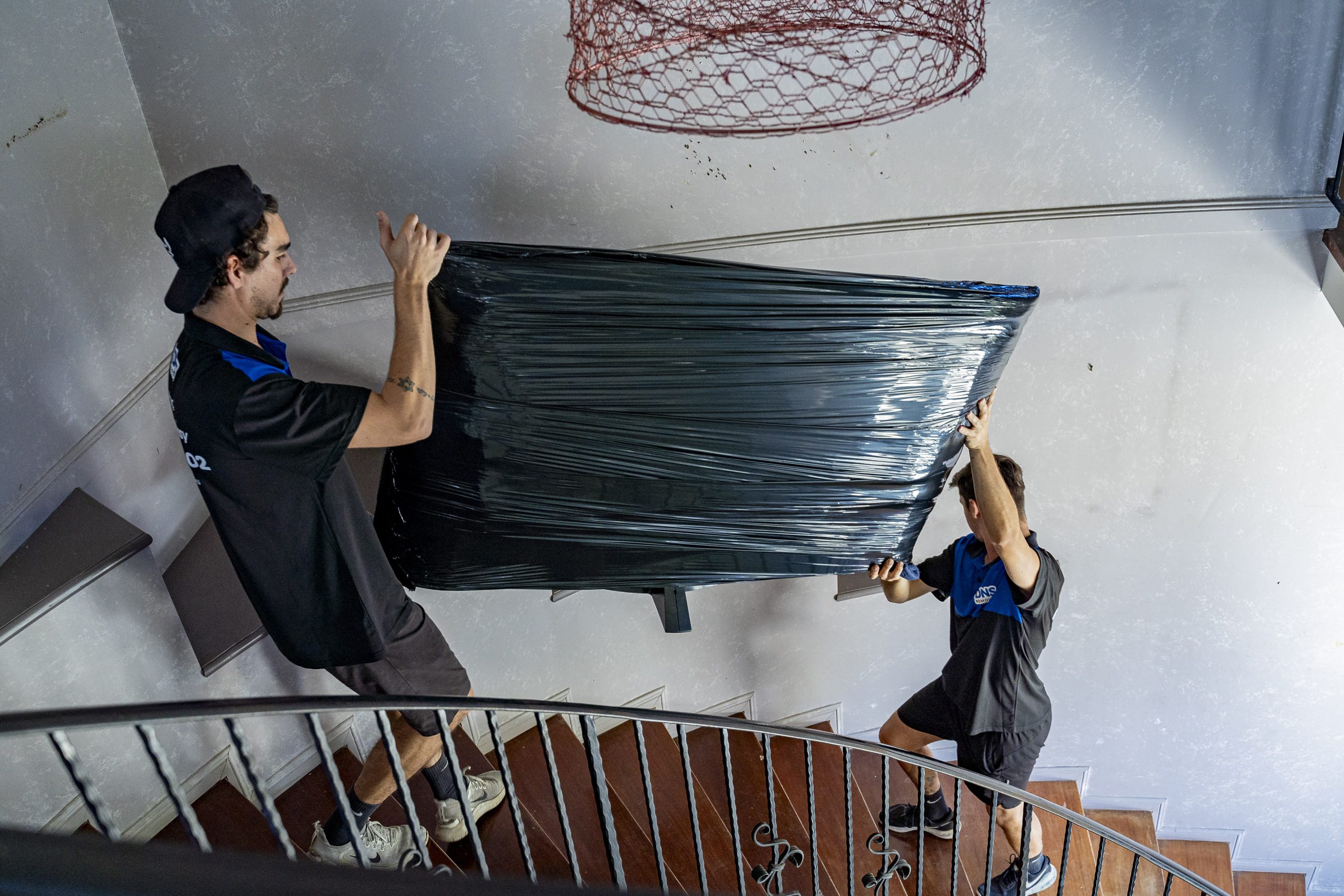
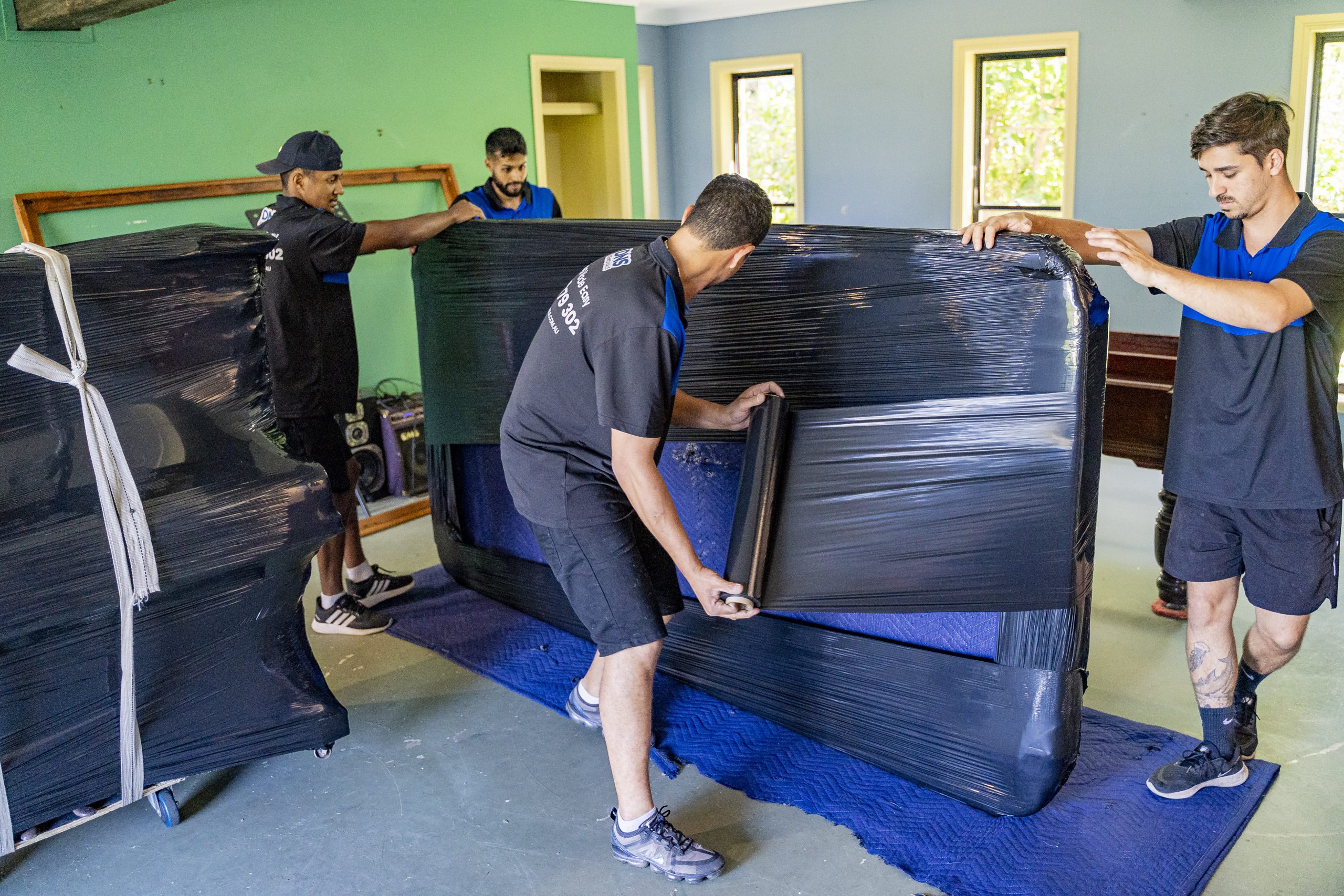
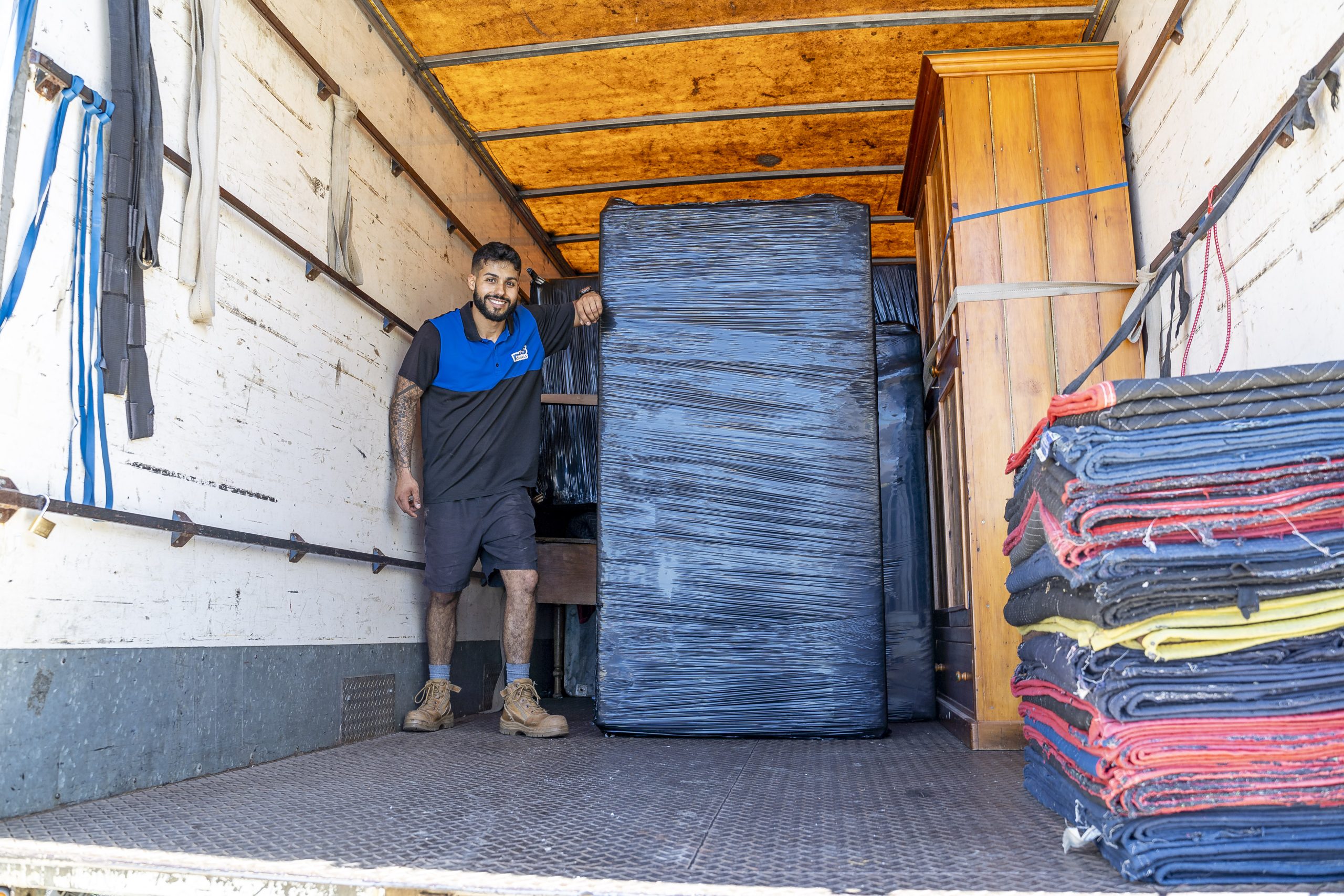
Proper handling before and during storage is essential. Trained removalists know how to wrap, lift and stack items to reduce the chance of damage. At DNS Removals, our team uses industry-standard packing materials and proven techniques to prepare furniture, appliances and delicate pieces for long-term storage.
Our experience across Brisbane’s diverse storage facilities means we understand the differences in access, unit size and environmental conditions. We guide customers on the best approach for their specific items, whether they are storing family heirlooms, office equipment or a household’s worth of belongings.
Ensuring Peace of Mind Through Proper Preparation
Storing your items safely is ultimately about planning. When your belongings are packed well, clearly labelled and protected from humidity, they are far more likely to emerge from storage in the same condition they entered. Cleanliness, quality materials and thoughtful organisation all play vital roles.
At DNS Removals, we help Brisbane residents approach storage with confidence, using our hands-on experience and understanding of local conditions to protect what matters most.
Conclusion
Keeping your belongings in excellent condition during storage is entirely achievable with the proper preparation and ongoing care. If you need support with packing, handling or moving items into storage, the friendly team at DNS Removals is ready to help. Feel free to get in touch for guidance or a personalised quote.





![How Much Do Removalists Cost in Brisbane? [2025 Pricing Guide]](https://dnsremovals.com.au/wp-content/uploads/2024/11/DSN-Removals-20-scaled.jpg "How Much Do Removalists Cost in Brisbane? [2025 Pricing Guide]")