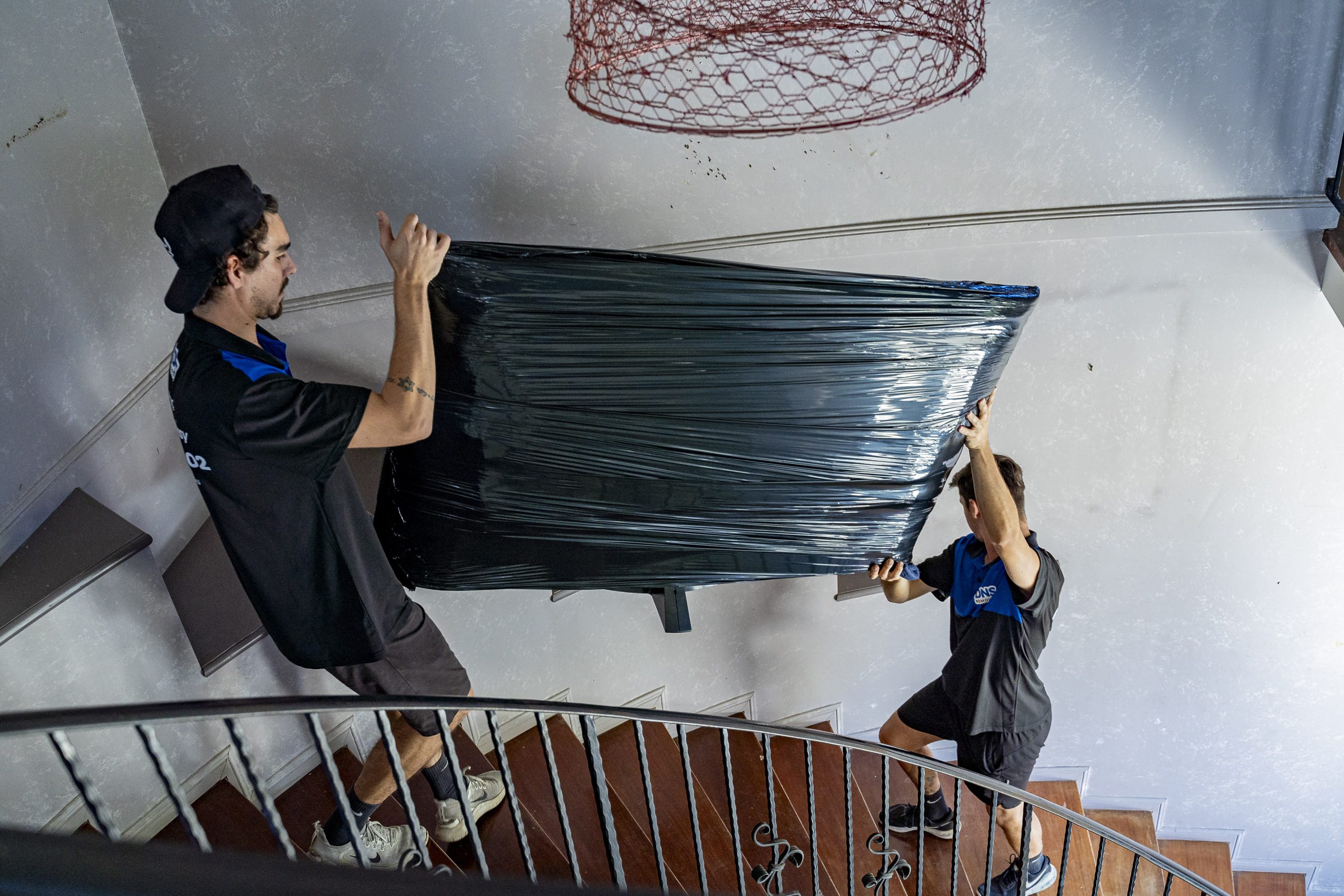
Moving house is always easier when you prepare your furniture properly, and one of the most effective ways to do so is to disassemble bulky pieces before moving day. It reduces the risk of damage, makes items easier to carry, and ensures a smoother, faster move overall.
At DNS Removals, we regularly assist Brisbane households and businesses with furniture disassembly and reassembly. With over 15 years of hands-on moving experience, we’ve learned that a bit of preparation goes a long way. This guide shares expert insights to help you protect your belongings, avoid common mistakes, and ensure your move stays organised and stress-free.
Why Disassembling Furniture Matters
Many large household items are simply too awkward or heavy to move in one piece. Taking them apart reduces their weight, makes them easier to navigate through doorways and hallways, and prevents stress on joints and weak points. Disassembling also helps protect walls, floors, and the furniture itself during loading and unloading.

Experienced removalists often recommend partial or complete disassembly for beds, dining tables, modular lounges, desks, and flat-pack items. With proper preparation and careful handling, you minimise the chance of scratches, dents, or accidental breakages that commonly occur when large items are forced through tight spaces.
Choosing Which Furniture to Disassemble
Not every piece of furniture needs to come apart, so it’s essential to assess each item. Beds, cots, bunk frames, office desks, wall units, and shelving systems almost always benefit from disassembly. Large dining tables, especially those with extendable leaves, also move more safely when separated.
Some items are designed for easy assembly, meaning the process is straightforward. Others may require extra care due to delicate fittings or older joinery. If an item feels unstable, overly heavy, or difficult to manoeuvre, it is usually worth the time to dismantle it before moving day. Professional movers can also make recommendations during a pre-move inspection.
Tools and Materials You Should Prepare
Being prepared makes the process smoother and prevents frustration. Having the right tools at hand is essential. Most furniture can be dismantled with standard tools like screwdrivers, Allen keys, and adjustable spanners. If your furniture came with a specific tool or key, keeping it accessible will make a significant difference.
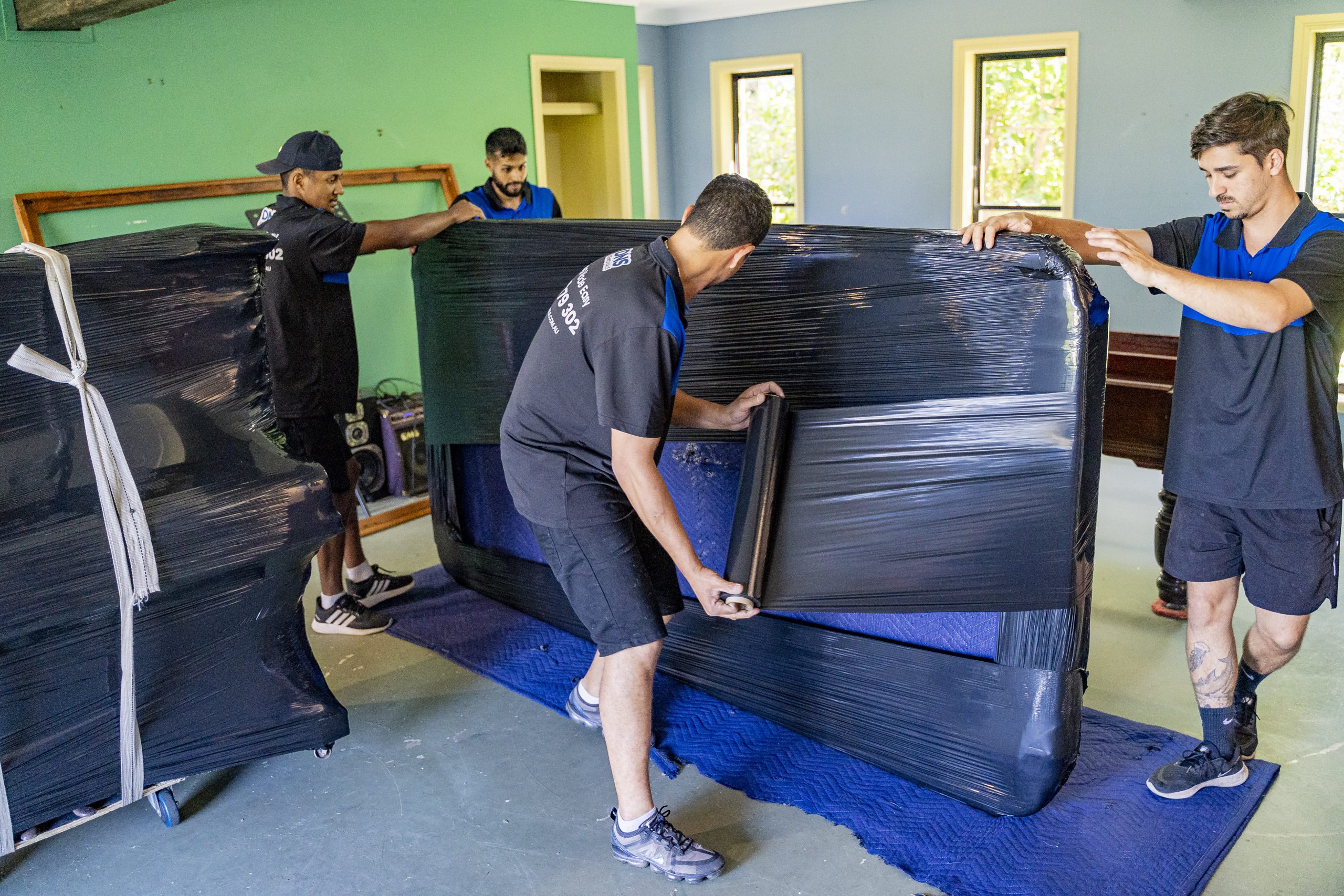
Small zip-lock bags or containers are ideal for storing screws, bolts, and clips. Clear tape and labels help you keep track of each piece and where it belongs. Soft blankets and moving pads protect disassembled parts from scratches, while sturdy tape keeps loose components secured during transit. These simple items ensure nothing gets lost or damaged along the way.
How to Safely Disassemble Common Furniture Pieces
Beds are often the most oversized items to dismantle. Removing mattresses first makes the frame easier to manage. Slats should be bundled neatly, and all bolts and screws should be placed in a clearly labelled bag. Dining tables usually require the legs or leaf extensions to be removed. For modular lounges, separating each section reduces weight and makes stairways easier to navigate.
Shelving units and desks often contain removable panels that must be handled gently, especially if they are made from particleboard. Tighten screws before removing them to avoid stripping, and always lift panels rather than sliding them to protect the finish. Taking your time prevents unnecessary damage and ensures each piece moves safely and securely.
Labelling, Storing, and Keeping Track of Parts
Organising hardware is one of the most critical but often overlooked steps. Every piece of furniture should have its own set of labelled screws and brackets. Clear, simple labels such as “bedside rail bolts” or “desk drawer screws” make reassembly far easier.

Keeping hardware in small sealed bags prevents loss, especially during the packing rush. Attach these bags to the main furniture component or place them in a dedicated parts box. Larger wooden sections should be wrapped individually to avoid rubbing or scratching during transport. When everything is labelled and stored correctly, reassembly at your new home becomes much faster and far less stressful.
When to Let Professionals Handle It
Some pieces are complex, fragile, or particularly valuable. Antique furniture, custom-built cabinetry, and specific office setups require experienced hands. Professional removalists understand the proper techniques for dismantling and carrying these items safely, preserving both structural integrity and appearance.
At DNS Removals, our trained team regularly handles oversized beds, intricate shelving systems, and awkward modular furniture. We have the tools, protective equipment, and experience to complete disassembly quickly and correctly. Choosing professional assistance can save significant time and prevent damage, especially during busy or large moves.
Conclusion
Disassembling furniture before moving strengthens safety, protects your belongings, and keeps the entire process running smoothly. With careful preparation, the right tools, and organised labelling, you can make reassembly in your new home simple and efficient. If you prefer expert help or have items that need professional handling, the team at DNS Removals is always ready to support your move with care and experience.






![How Much Do Removalists Cost in Brisbane? [2025 Pricing Guide]](https://dnsremovals.com.au/wp-content/uploads/2024/11/DSN-Removals-20-scaled.jpg "How Much Do Removalists Cost in Brisbane? [2025 Pricing Guide]")